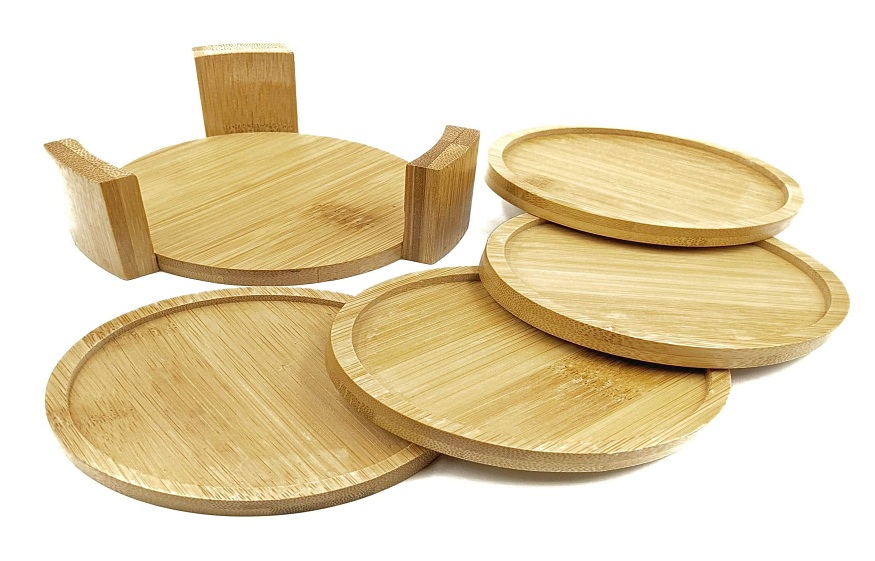
There is a particular kind of marketing that works without feeling like marketing at all. It doesn’t interrupt, it doesn’t demand attention, and it doesn’t ask anything of the person on the receiving end. It simply sits there, useful and present, doing its job quietly while your brand does the talking. Custom coasters are one of the most underrated examples of this principle in action. In cafés, bars, event spaces, and corporate settings across Australia, a well-designed coaster does something that a social media post or a digital advertisement almost never achieves: it occupies physical space in a moment of genuine relaxation, when a person is unhurried, receptive, and looking for something to engage with.
The Psychology of the Physical Touchpoint
Marketing psychology has long recognised that physical objects carry a different weight than digital impressions. When someone holds something — turns it over, reads it, sets their coffee cup down on it and glances at it again — a form of engagement occurs that scrolling past a sponsored post simply cannot replicate. This is not nostalgia for print media. It is a well-documented cognitive response to tangible objects: we process them differently, remember them longer, and associate them more strongly with the context in which we encountered them.
Read More: How IoT Devices Are Transforming Customer Experience in Digital Banking
For a café or bar, that context is inherently positive. Your customer is comfortable, they are enjoying something they chose, and they are in a relaxed state of mind. A beautifully designed coaster sitting beneath their flat white or their gin and tonic becomes part of that experience. If it carries your logo, a clever piece of copy, a QR code linking to your loyalty programme, or simply an image that reflects your brand’s aesthetic, it is working for you in one of the most receptive moments your customer will have all day.
The dwell time argument is also significant. A person sitting at a café table for thirty minutes will glance at a coaster many times. Compare that to the average display advertisement, which receives somewhere between one and three seconds of attention before being scrolled past. The coaster wins that comparison easily, and it costs a fraction of what most digital advertising campaigns demand.
Applications Across Venues and Events
The versatility of custom coasters as a branding tool is one of their most practical virtues. They are not a niche product suited only to certain industries — they work across an enormous range of settings, each with slightly different strategic applications.
In cafés and coffee shops, coasters reinforce brand identity at the most intimate point of the customer experience: the moment the drink arrives. A café with a strong visual identity — distinctive typography, a considered colour palette, a memorable logo — can extend that identity all the way to the table surface.
In bars and licensed venues, coasters have a long and entirely natural history. The functional purpose is well established, which means the branding application meets no resistance from customers — it is simply expected. The opportunity lies in execution. A coaster that is merely functional is a missed chance. One that carries a seasonal cocktail menu, a QR code linking to a weekend events programme, or a design that changes monthly gives customers a reason to notice and engage rather than simply tolerate.
Corporate events and product launches represent another high-value application. Branded coasters at a conference, a product unveiling, or a networking function serve as both practical items and subtle, persistent reminders of the host brand throughout the event. Unlike a tote bag or a pen that gets tucked away, a coaster remains visible on the table for the duration of the event, sitting in the eyeline of every attendee. Post-event, they are frequently taken home — extending the brand impression into domestic and office settings that no amount of event-day signage can reach.
Wedding and private event applications have grown considerably in recent years, particularly in Australia’s thriving destination wedding and boutique event market. Custom coasters personalised with couple’s names, event dates, or venue branding have become a popular alternative to traditional printed stationery inserts, offering a keepsake function that most guests genuinely appreciate and retain.
Material and Design: Where Brand Meets Craft
The impact of a custom coaster depends heavily on the quality of its material and the care invested in its design. Australia’s printing and promotional products industry offers a wide range of substrates, each with different aesthetic and functional properties, and the choice matters more than many buyers initially appreciate.
Pulpboard remains the most common material for hospitality coasters — cost-effective, highly printable, and familiar to customers. For venues operating at volume, pulpboard offers the best value per unit and accepts full-colour printing with excellent fidelity. The limitation is longevity: pulpboard coasters absorb moisture over time and are typically single-use or short-term items in high-traffic environments.
Cork offers a more premium feel and a naturally textured aesthetic that suits venues with a craft, artisan, or sustainability positioning. It is more durable than pulpboard, resistant to moisture on the base, and the natural variation in texture gives printed designs an organic, tactile quality that resonates with the aesthetic preferences of a significant segment of the Australian hospitality market.
Neoprene and rubber coasters sit at the premium end of the spectrum and are well suited to corporate gifting, events, and venues where a high-quality keepsake impression is the goal. They are durable, machine washable, and hold print quality beautifully over extended use. For a brand that wants the coaster to leave the venue in a customer’s bag and find a permanent home on a desk or kitchen bench, neoprene is the material of choice.
Making the Investment Work
Custom coasters represent a modest unit cost that compounds into significant brand exposure over time. The key to maximising that return is treating the design as seriously as any other brand asset. A coaster designed with the same rigour as your menu, your signage, or your packaging will perform at a different level to one knocked together from a stock template.
Read More: Limitations of Power of Attorney in Dubai: What It Cannot Do
Work with your designer to ensure the coaster design is legible at small size, that your brand elements are clearly prioritised, and that any functional element — a QR code, a web address, a promotional message — is purposeful rather than decorative. A coaster that tries to do too much becomes visual noise. One that does a single thing well becomes a genuine brand asset, quietly representing your business in the hands of your customers, one drink at a time.